
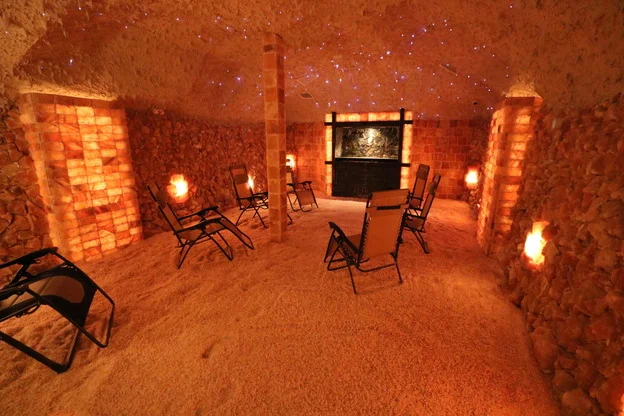
Salt therapy is no longer a quirky add-on tucked away in the back of a spa. Across North America, it’s quickly becoming a headline attraction—right up there with massages, infrared saunas, and float pods. From boutique salt caves to compact halo cabins in busy urban spas, “breathing salt” is quietly turning into one of the most in-demand wellness experiences on the menu.
Here’s why salt therapy (halotherapy) is emerging as the next big spa trend in North America—and why operators are paying attention.
1. A Fast-Growing Wellness Market, Led by North America
Industry reports show the global salt therapy market is growing steadily, with estimates putting its value in the multi-billion-dollar range and forecasting nearly double-digit annual growth over the next decade. Strategic Market Research+2Lucintel+2
North America is at the centre of this boom:
-
Market analyses highlight North America as a leading region for halotherapy adoption, driven by strong consumer wellness spending and advanced spa technology integration. Precedence Research+1
-
The salt treatment room sector in North America is projected to grow at around 7–9% CAGR over the next several years, as more spas, clinics, and wellness centres add salt rooms and salt caves. LinkedIn
For spa owners, this isn’t a niche experiment anymore—it’s a proven growth category that clients are actively seeking out.
2. Perfect Timing: Post-Pandemic Focus on Respiratory & Immune Health
After years of respiratory viruses dominating the news, guests are more aware than ever of lung health and immunity. Salt therapy fits directly into that mindset.
Halotherapy exposes guests to micronized pharmaceutical-grade salt in a controlled room or cabin. Emerging evidence suggests salt-rich air may:
-
Improve mucociliary clearance (the lungs’ ability to move mucus)
-
Support lung function and quality of life in people with chronic respiratory diseases PubMed+1
Reviews of clinical research point to potential benefits as an adjunct (supportive) therapy for conditions such as asthma, chronic bronchitis, and COPD—though researchers emphasize that more high-quality, randomized trials are needed and that halotherapy should not replace conventional medical treatment. Taylor & Francis Online+1
For spa marketing, that translates into a powerful but responsible message:
A non-invasive, relaxing session that may help support easier breathing and overall respiratory wellness, as part of a broader healthy lifestyle.
3. Stress, Burnout, and the Need for “Passive Wellness”
Stress levels and burnout are high, and many guests want wellness experiences that require no effort beyond showing up and lying down.
Salt rooms deliver exactly that:
-
Guests simply recline in zero-gravity chairs or on loungers while soft lights, soothing music, and a gentle salt mist create a calming environment.
-
Many spas combine halotherapy with guided meditation, sound baths, breathwork, or yoga, turning a 45-minute session into a deeply restorative ritual.
The broader spa and wellness industry—which is itself growing strongly—is increasingly driven by demand for preventive health and stress management. The Business Research Company+1 Halotherapy fits seamlessly into this “relaxation + prevention” sweet spot.
4. High-Impact Experience, Compact Footprint
From an operator’s point of view, salt therapy is attractive because it delivers a big “wow factor” in a relatively small footprint:
-
Flexible formats: from 2-person cabins and “salt booths” to full-scale salt caves and multi-bed group rooms. Salt Cave Builder+1
-
Transformative ambience: back-lit Himalayan salt walls, glowing bricks, salt-covered floors, and immersive lighting create an Instagram-worthy environment that guests remember and share.
-
Stackable services: halotherapy can be offered on its own or packaged with massage, facials, saunas, cold plunge, or float therapy for premium “breathe + relax” bundles.
Because sessions are typically done in groups or scheduled blocks, salt rooms can generate strong revenue per square foot while keeping labour demands relatively low.
5. A Competitive Edge in a Crowded Spa Market
In many North American cities, guests can already choose between dozens of massage studios, infrared saunas, and med-spa clinics. Salt therapy helps a spa stand out:
-
It’s still less common than traditional services, so it immediately differentiates a spa from local competitors.
-
It provides a strong story for branding and PR—tying into European spa traditions, natural wellness, and modern science.
-
It attracts new client segments: families with children suffering from allergies, athletes, singers, post-viral recovery clients, and wellness travellers.
Industry groups note that the salt therapy sector has shown consistent year-over-year growth for nearly a decade and is expected to accelerate further. salttherapyassociation.org+1 For spas, being early rather than late to this trend can mean locking in market share and establishing a reputation as “the salt therapy place” in the region.
6. Aligns With the Shift to Natural & Holistic Wellness
Another force driving salt therapy’s rise is the cultural move away from purely pharmaceutical solutions toward natural, holistic approaches:
-
Guests increasingly want non-drug, non-invasive options to complement their existing healthcare.
-
Wellness tourism is booming in North America, with travellers actively searching for unique experiences that combine relaxation and perceived health benefits. WiseGuy Reports+1
Salt rooms sit at the intersection of nature, design, and wellness science. With visual appeal plus potential benefits for breathing and relaxation, they tick almost every box for modern spa guests.
7. The Future: From Niche Amenity to Standard Spa Offering
In many European countries, salt therapy is already considered a standard spa feature rather than a specialty add-on. Select Salt The North American market is rapidly catching up:
-
New salt caves and salt rooms are opening in spas, hotels, wellness clinics, fitness clubs, and even residential developments.
-
Designers are integrating halotherapy directly into multi-modal wellness suites with infrared, contrast therapy, and meditation spaces.
-
Ongoing clinical trials—including studies on asthma, acute respiratory conditions and other respiratory disorders—will continue to shape how the medical and wellness communities view halotherapy. ClinicalTrials.gov+1
As awareness grows and technology becomes more accessible, salt therapy is poised to move from “novel curiosity” to core wellness experience.
Takeaway for Spa Owners and Wellness Operators
Salt therapy is becoming the next big spa trend in North America because it:
-
Aligns perfectly with post-pandemic priorities (respiratory health, immunity, stress relief)
-
Fits into a booming wellness market where North America is already a leader
-
Offers high perceived value, strong differentiation, and attractive unit economics
-
Delivers a memorable, shareable guest experience in a compact, flexible space
For operators, the question is shifting from “Should we offer salt therapy?” to “How can we integrate halotherapy into our spa concept in a way that matches our brand and clientele?”
Get a Quote
Contact us for a free custom quote to have your room converted into an authentic Himalayan salt therapy spa.