

Athletes, gym owners, and wellness professionals are constantly looking for new ways to enhance post-workout recovery. From foam rolling and cold plunges to infrared therapy, recovery tools have become a central part of modern fitness culture. One emerging addition is the salt sauna — a fusion of traditional heat therapy and Himalayan salt exposure.
But how exactly can a Himalayan salt sauna support muscle recovery? And why are fitness studios increasingly incorporating salt features into their wellness spaces?
In this article, we’ll explore how salt sauna therapy, halotherapy, and heat exposure may contribute to faster recovery, reduced muscle soreness, and improved respiratory function after exercise.
What Is a Salt Sauna?
A salt sauna combines the traditional benefits of a sauna (dry heat or infrared heat) with walls or panels constructed from Himalayan salt bricks. When backlit, these salt walls emit a warm amber glow and may release trace mineral particles into the air.
This concept is inspired by halotherapy, a practice rooted in Eastern European salt mines, where salt-rich air was historically associated with respiratory wellness.
In a fitness setting, salt saunas are increasingly marketed as a premium muscle recovery solution.
1. Heat Therapy and Muscle Recovery
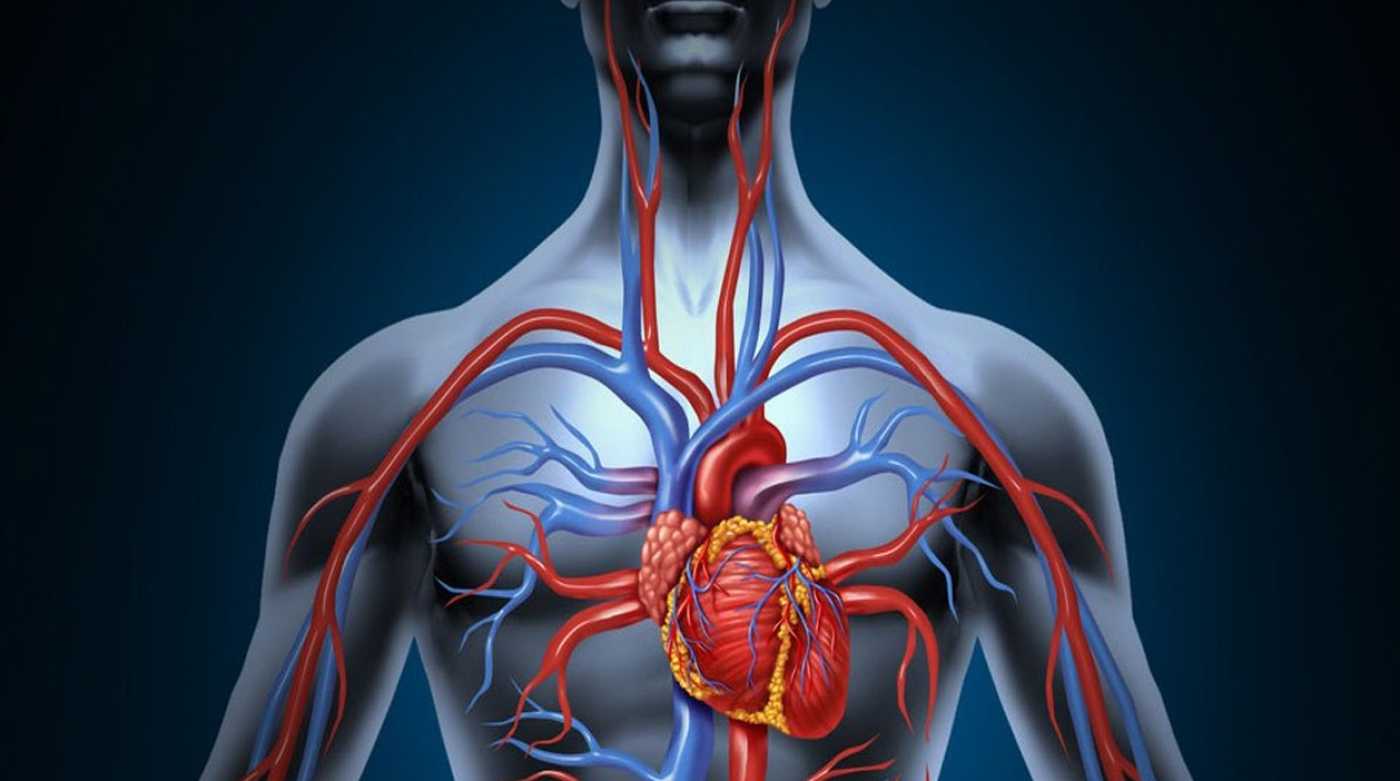
Increase blood circulation
One of the primary benefits of any sauna is heat exposure. Research suggests that heat therapy may:
-
Increase blood circulation
-
Promote muscle relaxation
-
Reduce delayed onset muscle soreness (DOMS)
-
Support flexibility and mobility
Improved circulation means oxygen and nutrients are delivered more efficiently to fatigued muscles. This process can help flush metabolic byproducts like lactic acid after intense workouts.
When combined with a salt environment, the experience becomes more than just passive heat — it transforms into a multi-sensory post-workout recovery ritual.
SEO keywords integrated:
post-workout recovery, muscle recovery, reduce muscle soreness, heat therapy for athletes, recovery sauna
2. Respiratory Support After Intense Training
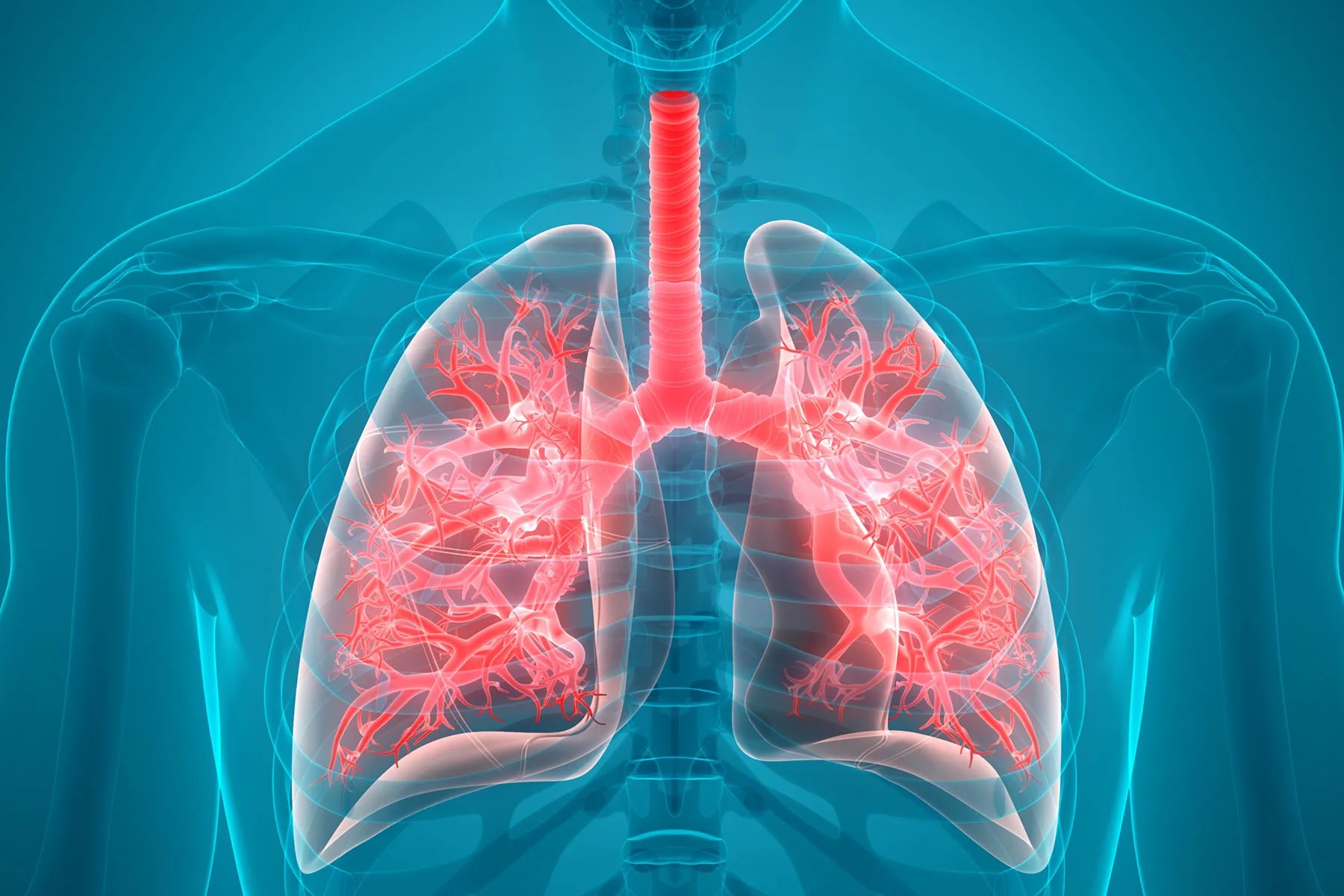
Support airway function
High-intensity training, endurance workouts, and cold-weather exercise can strain the respiratory system. Dry salt air used in halotherapy sessions has been studied for its potential to:
-
Support airway function
-
Reduce mucus buildup
-
Promote clearer breathing
-
Assist athletes with respiratory endurance
While more research is needed, athletes often report feeling “lighter” in their breathing after time in a Himalayan salt sauna.
For sports such as running, cycling, and hockey — where lung capacity matters — improved respiratory comfort may enhance overall performance and recovery.
SEO keywords integrated:
halotherapy benefits, salt therapy for athletes, respiratory recovery, lung support after exercise
3. Stress Reduction and Nervous System Reset

Promote relaxation
Recovery is not just physical — it’s neurological.
After intense strength training or high-intensity interval training (HIIT), the body remains in a sympathetic “fight-or-flight” state. Sauna sessions may help:
-
Lower cortisol levels
-
Activate the parasympathetic nervous system
-
Promote relaxation
-
Improve sleep quality
Better sleep directly correlates with improved athletic recovery, hormone regulation, and muscle repair.
The calming glow of illuminated salt bricks may further enhance relaxation by creating a spa-like atmosphere inside gyms or wellness centers.
SEO keywords integrated:
athletic recovery, stress reduction for athletes, sauna for better sleep, nervous system recovery
4. Circulation and Detoxification Support

Promote skin clarity
Sweating is one of the body’s natural detoxification pathways. During a salt sauna session, elevated core temperature stimulates deep sweating, which may:
-
Support circulation
-
Encourage toxin elimination
-
Promote skin clarity
-
Aid metabolic recovery
While the body naturally detoxifies through the liver and kidneys, sweating is a complementary process often valued in wellness programs.
Fitness studios offering recovery-focused amenities are increasingly promoting salt saunas as part of a complete detox and regeneration strategy.
SEO keywords integrated:
detox sauna benefits, sweating after workout, recovery amenities for gyms, wellness recovery solutions
5. Potential Anti-Inflammatory Support

Reduced joint stiffness
Inflammation is a natural response to strength training — but excessive inflammation can slow recovery. Heat therapy has been explored for its role in reducing muscle stiffness and promoting tissue elasticity.
Some proponents of Himalayan salt therapy suggest that salt’s mineral content may contribute to overall wellness, though more clinical evidence is needed to confirm direct anti-inflammatory effects in sauna environments.
Nevertheless, athletes frequently report:
-
Reduced joint stiffness
-
Faster muscle relaxation
-
Improved mobility
SEO keywords integrated:
reduce inflammation naturally, muscle stiffness recovery, joint recovery therapy
We hope you found the information above useful. Leave a comment below, or contact us if you have any questions.