
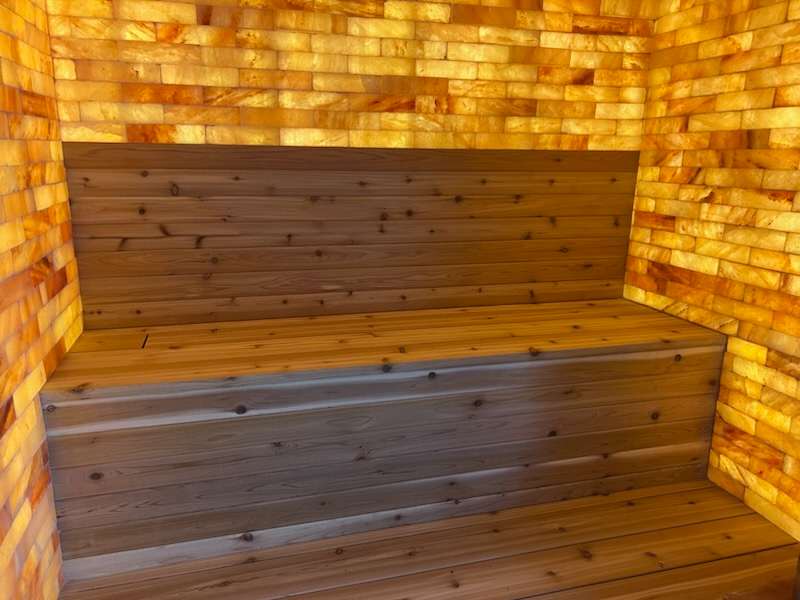
Himalayan salt saunas have become a standout feature in luxury homes, spas, and wellness retreats. Known for their warm amber glow, calming atmosphere, and potential respiratory and skin benefits, these spaces blend traditional heat therapy with natural salt elements. As interest grows, one key decision often arises: Should you build your Himalayan salt sauna yourself or hire a professional installer?
Both options have advantages and limitations. Understanding the real differences in cost, safety, performance, and longevity can help you make the right decision for your space and budget.
Understanding What a Himalayan Salt Sauna Involves
A Himalayan salt sauna is not simply a standard sauna with decorative salt bricks. A proper build includes:
-
Structural framing and insulation
-
Heat source (infrared or traditional heater)
-
Electrical wiring and controls
-
Moisture management and ventilation
-
Properly mounted Himalayan salt bricks or panels
-
Optional features such as chromotherapy lighting, aromatherapy, or reclining benches
Because salt is hygroscopic (it attracts moisture), poor design or improper installation can lead to electrical hazards, corrosion, crumbling salt blocks, and structural damage.
The DIY Approach: Pros and Cons
✅ Advantages of DIY Installation
1. Lower Upfront Cost
DIY builds appeal to budget-conscious homeowners. By sourcing materials yourself and eliminating labor fees, initial costs can be significantly reduced.
2. Full Creative Control
You control every detail—from wood types and bench layout to salt panel placement and lighting design.
3. A Rewarding Personal Project
For experienced builders and hands-on enthusiasts, constructing a salt sauna can be a deeply satisfying project.
⚠️ Challenges and Risks of DIY Installation
1. Electrical and Fire Safety Risks
Improper wiring near heat and salt creates serious fire and shock hazards. Many insurance providers require professional electrical certification.
2. Moisture and Salt Degradation Issues
Without proper vapor barriers and ventilation, salt bricks may deteriorate, sweat excessively, or leak onto electrical components.
3. Structural Load Miscalculations
Salt bricks are heavy. A typical wall can weigh hundreds of pounds. Poor framing or anchoring can lead to wall failure.
4. No Warranty or Performance Guarantees
If a heater fails, salt panels crack, or ventilation underperforms, repairs come entirely out of pocket.
5. Time Investment
Design, permits, electrical upgrades, troubleshooting, and corrections can stretch a “weekend project” into months.
Professional Installation: Pros and Cons
✅ Advantages of Professional Installation
1. Safety and Code Compliance
Licensed installers ensure all wiring, ventilation, moisture barriers, and heating components meet local building and electrical codes.
2. Optimized Heat & Salt Performance
Professionals understand proper heater placement, airflow dynamics, and salt panel layout for maximum therapeutic effect.
3. Structural Engineering Support
Installers calculate load requirements for salt walls and ceiling features to avoid future structural issues.
4. Warranty Protection
Most professional installations include warranties on workmanship, heaters, lighting, and salt wall mounting systems.
5. Time Efficiency
A professional team can complete installations in a fraction of the time it takes for DIY builders.
6. Custom Spa-Level Features
Custom benches, backlit salt walls, floating salt panels, aroma diffusers, and smart control systems are easily integrated.
⚠️ Potential Downsides of Professional Installation
1. Higher Initial Cost
Professional installations carry labor costs and premium materials, increasing the upfront investment.
2. Less Hands-On Control
While customization is still high, you rely on the installer’s design and recommendations.
Cost Comparison: DIY vs Professional
| Category | DIY Build (Approx.) | Professional Install (Approx.) |
|---|---|---|
| Materials | $3,000 – $7,000 | Included |
| Heater & Electrical | $1,500 – $3,000 | Included |
| Salt Panels/Bricks | $2,000 – $6,000 | Included |
| Labor | $0 | $3,000 – $8,000+ |
| Total Estimate | $6,500 – $16,000 | $12,000 – $30,000+ |
Actual pricing varies by size, region, customization, and material quality.
Who Should Choose DIY?
DIY salt sauna installation may be suitable if you:
-
Have professional-level construction or electrical experience
-
Understand moisture management and ventilation systems
-
Have access to inspections and insurance approval
-
Are building a dry infrared-style salt sauna, not a high-humidity steam sauna
-
Are willing to assume all long-term maintenance risks
Who Should Choose Professional Installation?
Professional installation is the better choice if you:
-
Want long-term reliability and safety
-
Are installing a hybrid or steam-based salt sauna
-
Are building in a commercial spa or rental property
-
Want warranty protection and insurance compliance
-
Desire advanced customization, lighting, and smart controls
-
Need fast, predictable project completion
Final Verdict: Which Is Right for You?
If your project is small, dry, and purely residential, and you have real experience with framing, electrical systems, and moisture control, a DIY approach can work—carefully.
However, if your goal is a true spa-grade Himalayan salt sauna with longevity, safety, and resale value, professional installation remains the gold standard. The added investment protects not only the sauna itself, but your home, your insurance coverage, and your peace of mind.
Get a Quote
A Himalayan salt sauna is a unique fusion of sauna therapy and halotherapy, offering potential benefits for respiratory health, skin detoxification, circulation, and stress relief.
Contact us for a free custom quote to have your room converted into an authentic Himalayan salt sauna.